


Gacha, Loot Boxes, and the Slot Machine in Your Pocket: Where Gaming Ends and Gambling BeginsGacha, Loot Boxes, and the Slot Machine in Your Pocket: Where Gaming Ends and Gambling Begins
More than three billion people worldwide play video games, according to Newzoo, and a growing share of those games now include randomized reward systems tied to real money or digital assets. What once looked like a harmless game mechanic has evolved into a wider economic model built around anticipation, microtransactions, and continuous engagement.
By 2026, the meaning of “playing” has become harder to define. Mobile gacha systems reward users with randomized characters or items. Console games sell loot boxes containing unknown digital prizes. Blockchain applications experiment with token-based mini-games and speculative mechanics. Prediction markets allow users to place wagers on political, cultural, and economic outcomes. Researchers from The University of York and The Gambling Commission UK have noted that these systems often share structural similarities with gambling products, especially where money is exchanged for uncertain outcomes.
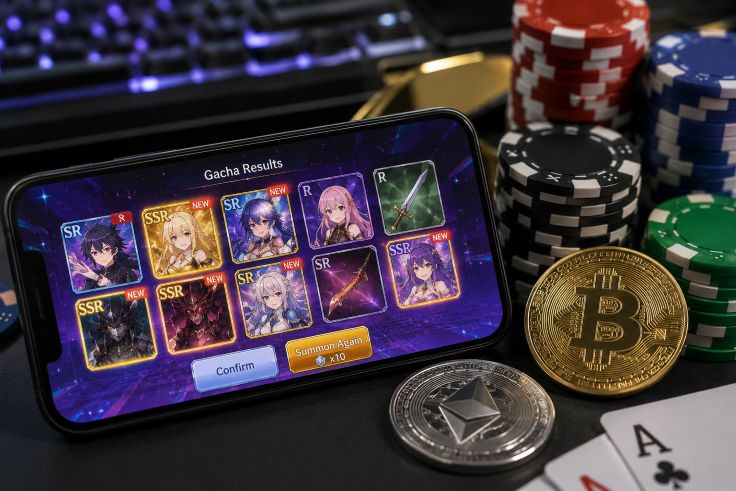
The Rise of Randomized Rewards
Randomized rewards are not new. Trading cards, capsule toy vending machines, and arcade prize machines all relied on chance long before smartphones existed. The difference today is scale, speed, and accessibility.
Modern mobile games can deliver hundreds of reward prompts within a single session. Limited-time events, flashing animations, countdown clocks, and rarity systems create a loop designed to keep attention focused. According to McKinsey & Company, digital entertainment businesses increasingly compete within what analysts call the “attention economy,” where user engagement is treated as a core business asset.
Gacha systems are among the clearest examples. Players spend in-game currency, often purchased with real money, for a randomized chance at receiving rare characters, upgrades, or cosmetic items. Some titles publish probability rates, while others have faced criticism for unclear disclosure practices.
Japan’s Consumer Affairs Agency previously moved against “complete gacha” mechanics after concerns emerged about excessive spending tied to randomized collections. Similar debates have since appeared in Europe, North America, and Southeast Asia.
Loot Boxes and Regulatory Debate
Loot boxes became a major international controversy during the late 2010s, especially after high-profile console titles integrated them into progression systems. Regulators, researchers, and consumer advocates questioned whether these mechanics resembled gambling.
Studies published by researchers at King’s College London and the University of Plymouth found correlations between heavy loot box spending and problem gambling behaviors. Researchers were careful to note that correlation does not automatically prove causation. Still, the findings intensified pressure on publishers and lawmakers.
Several countries responded differently. Belgium classified certain paid loot boxes as illegal gambling products. The Netherlands pursued restrictions on some randomized systems. Meanwhile, other regions focused on disclosure rules instead of outright bans.
The Entertainment Software Association later supported initiatives encouraging probability disclosures for loot boxes on major gaming platforms. Apple and Google also implemented app marketplace requirements asking developers to reveal item drop rates in many regions.
Even with disclosure policies, critics argue that transparency alone may not fully address psychological concerns. The visual design of many reward systems resembles casino-style reinforcement structures. Near-misses, celebratory animations, and intermittent rewards are features commonly studied in behavioral psychology.
The Psychology of Variable Rewards
Behavioral scientists have long examined how unpredictable rewards affect decision-making. Variable reward schedules are known to encourage repeated participation because the outcome remains uncertain.
Research from Harvard Medical School and the American Psychological Association has discussed how anticipation and reward processing interact within the brain’s dopamine systems. These mechanisms do not automatically turn gaming into gambling, but they help explain why randomized reward structures can become highly engaging.
The distinction becomes more complicated when virtual items carry real-world value. In some ecosystems, rare digital items are traded through third-party marketplaces for cash or cryptocurrency. Once a digital reward gains measurable monetary value, the line between entertainment and speculation becomes thinner.
Critics often describe this as the “gamblification” of digital culture. Related terms like chance-based monetization and speculative gameplay have become more common in academic discussions about interactive media.
Blockchain Games and Token Economies
Blockchain gaming added another layer to the debate. Instead of simply unlocking cosmetic items, some platforms introduced token-denominated economies where players could buy, trade, or stake digital assets connected to gameplay.
During the early 2020s, play-to-earn systems attracted global attention. Some users viewed these ecosystems as entertainment platforms. Others approached them as investment opportunities. According to Chainalysis, speculative behavior increased significantly in blockchain gaming markets during crypto boom periods.
Supporters argue that blockchain systems give players greater ownership over digital assets. Critics counter that many projects blurred the distinction between gaming and financial speculation.
Prediction markets intensified those concerns further. Some applications allow users to place tokenized wagers on sports, elections, social trends, or celebrity outcomes. The interface may resemble a game, but the underlying behavior often resembles financial risk-taking.
This overlap has become culturally important because younger audiences now encounter gambling-adjacent mechanics in environments traditionally associated with entertainment and social interaction.
Why Definitions Matter
Legal definitions of gambling vary widely between countries. Some jurisdictions focus on whether real money is involved. Others examine whether rewards have transferable value or whether outcomes depend primarily on chance.
The challenge is that modern digital systems evolve faster than regulation. A mobile game may not technically qualify as gambling under one legal framework while still using mechanics that resemble casino systems psychologically.
Consumer advocates argue that clearer labeling could help users better understand monetized reward structures. Industry representatives often respond that randomized rewards are simply optional entertainment features and should not automatically be treated as gambling products.
Researchers at Oxford Internet Institute have suggested that context matters. A cosmetic loot box with no resale value differs significantly from systems tied to cash-equivalent assets or speculative trading markets.
Still, many experts agree that the distinction between gaming and gambling is no longer as clear as it once appeared.
The Future of Digital Play
Gaming remains one of the world’s largest entertainment industries, and randomized monetization systems are unlikely to disappear completely. What may change is how regulators, developers, and consumers approach transparency and responsibility.
Parents increasingly monitor in-game purchases. Policymakers continue debating age restrictions and disclosure rules. Developers face growing pressure to balance monetization with ethical design standards.
At the same time, many players continue to view gacha pulls, loot boxes, and tokenized mini-games as ordinary parts of modern entertainment culture rather than gambling-like experiences.
The reality probably sits somewhere between those positions. Digital play now exists on a spectrum that includes gaming, commerce, speculation, and behavioral design. In 2026, the device in someone’s pocket may function as a game console, social platform, marketplace, and wagering environment all at once.
Final Thoughts
That convergence explains why conversations around chance-based monetization continue to grow. The debate is no longer limited to casinos or sportsbooks. It now reaches into app stores, multiplayer ecosystems, livestream platforms, and blockchain networks where entertainment and financial behavior increasingly overlap.
Responsible gambling experts recommend monitoring spending habits, setting personal limits, and recognizing when entertainment begins causing financial or emotional stress. Organizations such as National Council on Problem Gambling encourage individuals to seek support if gambling-related behaviors become difficult to manage.
As gaming systems continue evolving, the broader cultural question remains unresolved: when every app includes rewards, risk, and randomized incentives, where does play actually end?




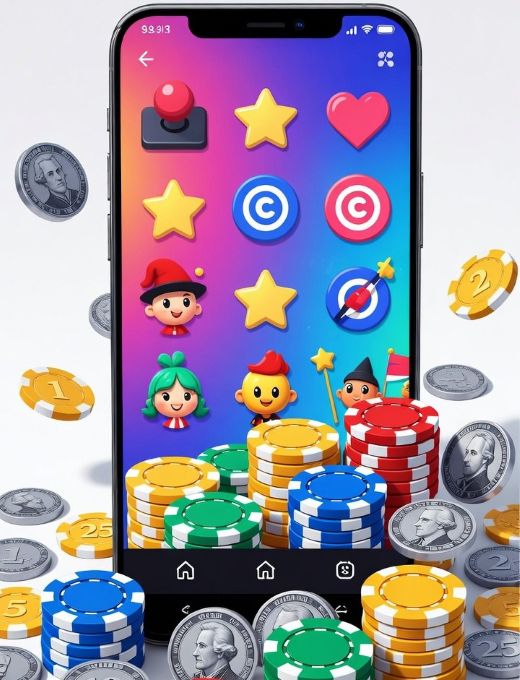
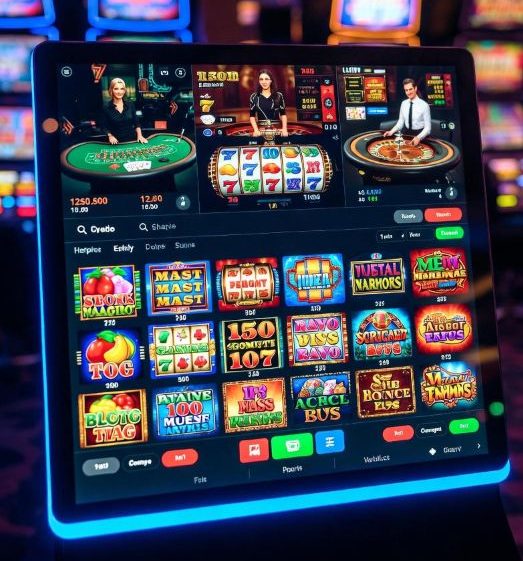 Choice plays a major role in online gambling. When players see dozens of slot games with different themes, volatility levels, and payout styles, they tend to explore more. JonBet’s slot library ranges from simple three-reel games to feature-heavy video slots. This range allows players to match games with their mood, whether they want fast spins or longer sessions.
 More than half of new online casino users say the experience feels closer to playing a game than placing a traditional wager. Bright colors, animated screens, and constant rewards now shape how people interact with gambling platforms.
 Digital entertainment habits have changed faster in the past decade than in the previous fifty years. Players now expect color, motion, and feedback from every screen they touch. That expectation has reshaped online gambling platforms, pushing them far beyond static cards and spinning reels.
 Baccarat remains the most popular casino game among Thai players, with millions engaging online and offline every month. Its simplicity and fast pace make it easy to learn while providing the excitement of high stakes. Recent data shows that baccarat continues to outpace other table games in both revenue and player engagement across Southeast Asia.

 Gambling has evolved far beyond simple bets and single-outcome wagers. The rise of technology has transformed how people engage with betting, especially by integrating gamified experiences. Platforms like Bet365 Korea (https://www.bet365korea.org) are at the forefront, providing users with more engaging and immersive options that make betting a truly interactive experience. This shift promises to change how bettors participate in and experience online gambling.
 Game theory isn’t just for mathematicians—it’s a powerful tool that sports bettors can use to make informed decisions. By using strategies rooted in statistical analysis, bettors can increase their odds of winning in a more calculated and less luck-driven way. Game theory examines how rational players make choices when competing, often aiming to outmaneuver their opponents. In sports betting, this translates to understanding odds, predicting outcomes, and minimizing losses.
 Players want to know that the games they’re playing are not rigged and that their chances of winning are fair. This is where provably fair technology comes into play, especially in Bitcoin casinos.
 Comprehend that when a mobile app is downloaded via the Play Store or Apple Store, the process automatically involves the use of the applicable file format. Now here’s the thing, since the Mega888 mobile app is exclusively distributed by the Mega888 platform, the Android or iOS file format will likewise be provided exclusively through the Mega888 official APK Malaysia website.
 Mega888 started out in 2018, as a gambling software development company that provided gambling operators with gaming platforms. As smartphones began to proliferate throughout the country, their widespread use influenced the rapid advancements in various industries, including the gaming landscape in Malaysia. In 2023, local statistics show that 73.39% of Malaysians prefer playing mobile games of which the majority use mobile devices running on Android Operating systems.

 The lottery industry, a longstanding pillar of recreational gambling, is undergoing a significant transformation, thanks to technological advancements and changing player preferences. This evolution has led to the emergence of innovative online lottery games and

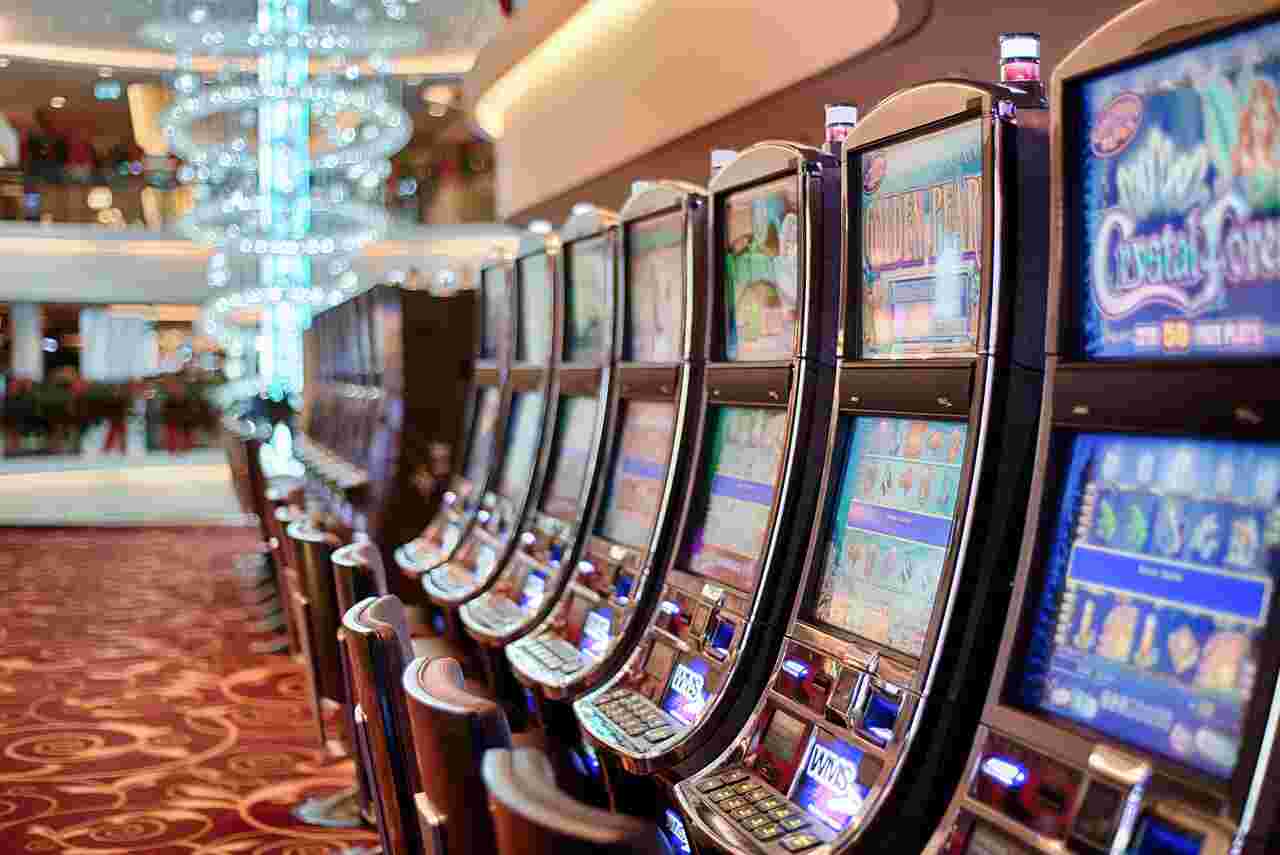






 Learn the odds of winning a jackpot on slots, how to boost your chances, and what myths you should avoid. After all, that is why people play slots – they want to win the biggest jackpots ever!